Bedding Guide
Wool-Filled Bedding Layers: Loft, Fit, and Everyday Care
A wool layer can make a familiar mattress feel softer, help manage moisture, and bring a little extra comfort to bedtime. But a lofty topper and a thinner wool-filled pad aren’t interchangeable. Their construction, height, fit, and care needs all shape how they feel once the sheets are on.
Before choosing one, consider what you want to change about your bed: its cushioning, its surface comfort, or simply how it handles everyday use. Then look closely at the wool, the fabric around it, the way the layer attaches, and the instructions you’ll need to follow to keep it in good condition. Those details can make the difference between a layer that suits your routine and one that becomes a fussy extra to manage.
First, what counts as a wool bedding layer?
The phrase can describe several different products. A wool mattress topper generally adds a noticeable layer of cushioning above the mattress. A wool mattress pad is often thinner and may be intended to provide a modest amount of softness, absorbency, or surface protection. Product names aren’t used consistently across brands, however, so it’s worth checking the actual construction rather than relying on the label alone.
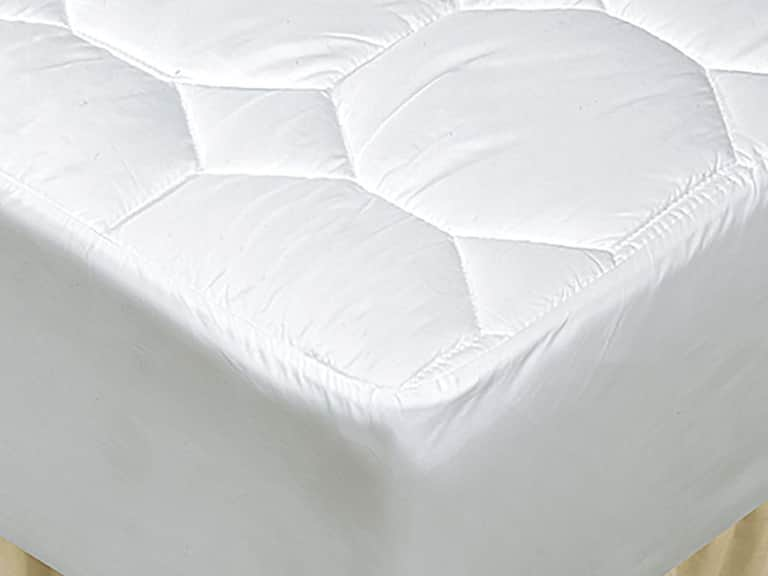
Some layers have wool batting enclosed in a quilted cotton shell. Others use wool as a moisture-managing pad with little or no plush loft. A topper may be held in place with corner straps, while a fitted pad can have a skirt that wraps around the mattress. Each format has a different feel and a different relationship with the sheet set above it.
Wool is valued in bedding partly because it can take up moisture vapor and release it over time. That can contribute to a less clammy-feeling sleep surface for some sleepers. It does not mean every wool layer is waterproof, nor does it replace a waterproof protector when liquid protection is important. It is also not a guarantee that a bed will feel cool or warm in every room; the overall result depends on the sleeper, mattress, sheets, room conditions, and construction of the layer.
Topper or pad: choose by the change you want
Think about the bed you have now and what you hope to notice. If the mattress feels too firm and you want more cushioning, a topper with generous fill and greater loft may be the more relevant option. If you like the mattress feel but want a light, breathable layer between you and the mattress, a thinner pad may make more sense. Neither option can correct a mattress that is sagging or structurally worn out; a soft layer changes the surface feel, not the support underneath.
Loft describes how high or substantial a layer appears. It can suggest a fuller feel, but height alone doesn’t tell you exactly how the wool will compress under body weight. Fill amount, quilting pattern, wool preparation, and the shell fabric all affect the way the layer settles. When available, review measurements and construction details, and look for clear language about whether the product is designed to add cushioning, protect the mattress, or do both.
A thick topper can also change how the bed feels at the edges and how your sheets fit. A thin pad may have less effect on the overall height but offer less noticeable cushioning. If you are choosing between two descriptions that sound similar, focus on the product’s stated purpose, total thickness, attachment method, and care instructions.
A topper may suit you if…
- You want a more cushioned surface.
- Your mattress feels too firm but is still in good condition.
- You’re comfortable checking that deeper sheets will still fit.
- You can follow the topper’s specific cleaning and airing routine.
A thinner pad may suit you if…
- You want a more modest change to the sleep surface.
- You prefer less added height and bulk.
- You need a layer that is easier to handle and reposition.
- The maker describes it as suitable for your intended protection needs.
How loft changes the feel of a bed
Loft is one of the first things shoppers notice, but it’s most useful when considered alongside the mattress underneath. On a firm mattress, a loftier topper may create a more cushioned first impression. On a surface that already feels soft, extra loft may be more than you want. A thick layer can also soften the sensation of lying directly on the mattress, which is a benefit for some sleepers and a drawback for others who prefer a closer, more responsive feel.
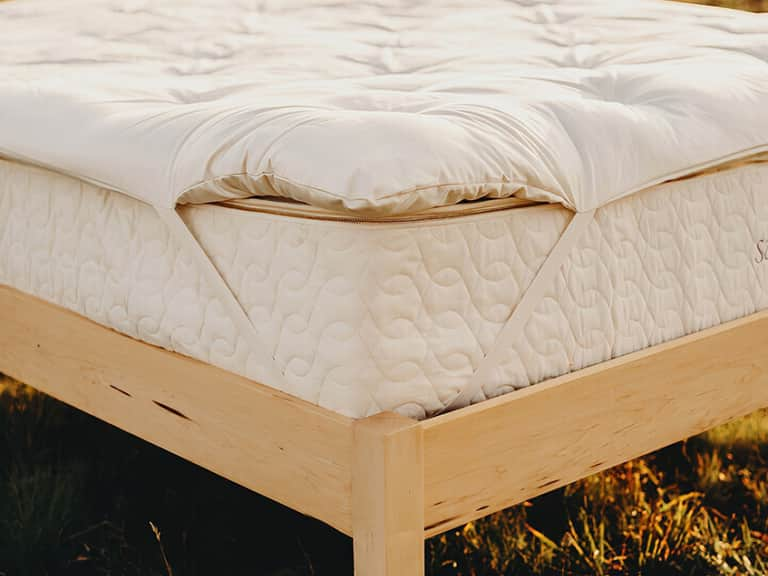
Wool batting can compress with use, and quilted channels or squares help keep fill arranged within the shell. The quilting pattern can influence how evenly the layer feels across the bed. Corner straps, where included, may help limit shifting, but they don’t necessarily hold every topper as firmly as a fitted skirt would. Check how the product is designed to attach and whether that system works with your mattress dimensions and bed setup.
For a sense of what a loftier wool topper can look like, the Savvy Rest Natural Savvy Woolsy Mattress Topper is described as a wool-filled topper in a quilted organic cotton cover, with corner straps and an approximate total height of three inches. The listed details also describe wool sourced in the United States and a three-year limited warranty. Those specifics are useful for understanding one product’s construction, but they should not be treated as a definition of every wool topper. Confirm current sizing, care guidance, and warranty terms with the maker before purchase.
Whatever the listed height, remember that the finished bed will be taller. Measure the mattress, the topper, and any existing pad together. Then check the pocket depth of your fitted sheets. A sheet that barely fits now may pull free or feel tight once an extra layer is added.
Fit matters more than it may seem
A comfortable wool layer can be frustrating if it slides, bunches, or leaves part of the mattress uncovered. Begin with the mattress’s actual length and width, as well as its depth. Standard size names are useful, but mattress dimensions can vary, and specialty beds may need a less common size. Also consider whether the mattress has a pillow top, a pronounced edge, or an adjustable base.
Look at the attachment style. Corner straps are straightforward and can be helpful if you regularly lift or rotate bedding, but they may need occasional readjustment. A fitted skirt can provide a more enveloping fit, provided it is deep enough to stretch around the mattress and any layers already in place. A flat or strap-held moisture pad may be easier to air out, but it may move more readily depending on the bed and the sheets above it.
To make a good fit more likely, use this quick checklist:
- Measure the mattress: Note its length, width, and depth, including any built-in pillow top.
- Count existing layers: Include mattress pads or protectors that will remain beneath or above the wool layer.
- Check the attachment: Confirm that straps, a skirt, or another fastening style suits your bed.
- Review sheet depth: Make sure your fitted sheets can accommodate the full stack.
- Consider bed movement: Adjustable bases and split beds may need particular attention to dimensions and placement.
After fitting the layer, smooth it from the center toward the edges and check that it lies evenly. If it shifts during the first few nights, inspect the straps or skirt before assuming the size is wrong. A well-fitting sheet can also help keep layers aligned, though it should not be stretched so tightly that it pulls the topper out of shape.
Wool, shell fabric, and protection
Wool fill is only part of the story. The shell fabric affects the hand feel, breathability, durability, and how the product should be cleaned. Cotton is a common shell choice in wool-filled bedding, with finishes ranging from smooth woven fabric to soft jersey. A tightly woven casing may help contain fibers, while quilting helps keep fill distributed. Read the material list carefully: a product described as a wool topper may combine wool with other fibers or use a blend rather than wool alone.
It’s also helpful to separate cushioning from protection. Some wool layers are designed primarily to add comfort or help manage perspiration; they may not block spills. If safeguarding the mattress from accidents or liquid damage is a priority, check explicitly for a waterproof barrier and understand how it affects breathability, feel, and washing. A wool topper can be used with a suitable mattress protector if the maker’s instructions allow the layers to be combined.
People sometimes use “hypoallergenic” as shorthand for a whole range of benefits. It is not a promise that a material will suit every individual or prevent all allergy symptoms. If you have a known sensitivity to wool, lanolin, dust, or a particular textile finish, review the full material information and seek advice from a qualified clinician when needed. Product descriptions can explain construction, but they cannot predict an individual response.
Everyday care: follow the label, not assumptions
Care is where wool-filled bedding can differ most from one item to another. Some wool pads are machine washable; others are best refreshed by airing and may require professional cleaning. A washable wool blend is not automatically safe for every washer, detergent, or dryer setting. Shrinkage, matting, distortion, or damage to quilting can occur if the care directions are ignored.
Before the first wash, read the manufacturer’s instructions from beginning to end. Check the recommended water temperature, cycle, detergent, spin setting, and drying method. If the label says to avoid machine washing or tumble drying, don’t assume a gentle setting will be harmless. When instructions are unclear, contact the maker before cleaning the item.
For routine freshness, some wool bedding can be aired in a dry, well-ventilated place, following the product directions. Avoid prolonged exposure to harsh sun unless the care label says it is appropriate. If a spill occurs, blot gently rather than rubbing, and deal with it promptly. Don’t soak a thick topper unless the maker specifically permits it; a dense fill can be difficult to dry thoroughly.
A protective cover or mattress protector can reduce direct contact with perspiration, skin oils, and spills, potentially lowering how often the wool layer needs a full cleaning. Choose a protector that fits the bed and suits your priorities, and confirm that using one won’t conflict with the wool product’s care or warranty guidance. Regularly check for dampness, stains, odors, or shifting, and address small issues before they become harder to manage.
Good care also includes sensible storage. If you need to put a wool layer away, make sure it is completely dry first. Store it in a clean, breathable bag or container in a dry place, following any specific instructions from the manufacturer. Avoid compressing it for long periods if that could flatten the fill or damage the quilting.
A simple care rhythm for busy households
Wool bedding doesn’t have to turn into a complicated project. A light routine makes it easier to notice fit problems and keep the bed feeling fresh without over-washing the layer.
- When changing sheets: Look for wrinkles, shifted straps, or areas where the topper has moved.
- After spills: Blot promptly and follow the care label’s spot-cleaning guidance.
- When the bed feels less fresh: Air the layer only if the maker recommends it and conditions are dry.
- Before a full wash: Check the label, the machine capacity, and the recommended drying method.
- Before storage: Confirm that the item is clean and fully dry, then store it as directed.
Washing too often can be as unhelpful as neglecting care, especially when a product is not intended for frequent laundering. The right schedule depends on the construction, the household, and the maker’s advice. If a mattress protector is doing its job above the wool layer, the topper may need less direct cleaning, but the protector itself still needs attention.
Questions to ask before choosing a wool topper
Will wool make the bed too warm?
Not necessarily, but no fill works the same way for everyone. Wool’s moisture-handling properties may help some sleepers feel less damp, while the overall warmth of the bed depends on loft, shell fabric, sheets, room temperature, and personal comfort. Look for construction details rather than relying on broad temperature claims.
Does a wool layer protect against spills?
Do not assume it does. Some wool pads may absorb moisture, but absorbency is not the same as waterproofing. If liquid protection matters, choose a product that clearly states it has a waterproof barrier and consider how that layer will feel and breathe.
Can I use a topper on an adjustable bed?
It depends on the bed, topper size, and attachment system. Check that the layer can move with the base without pulling loose or bunching. For split configurations, confirm the dimensions for each side rather than assuming one standard-size piece will fit.
Can a topper fix a sagging mattress?
A topper may soften the surface, but it cannot restore the underlying support of a sagging or damaged mattress. If the mattress has visible dips or structural problems, review its warranty and consider whether repair or replacement is more appropriate.
How often should I wash a wool mattress layer?
There is no universal schedule. Follow the product’s care label and wash only when its instructions and the condition of the layer call for it. Some items are washable, while others require airing or professional care.
The bottom line: match the layer to your real routine
The best wool-filled bedding layer is not automatically the thickest, the most luxurious-sounding, or the one with the longest list of claims. It is the one whose loft suits your mattress, whose fit works with your bed and sheets, and whose care instructions feel manageable in everyday life.
Start with the outcome you want. Choose a topper if added cushioning is the main goal, and a thinner wool pad if you prefer a lighter layer or a smaller change. Compare the fill and shell, measure your mattress, check the attachment style, and read the cleaning instructions before you commit. If you need stain or spill protection, make sure the product provides that function rather than assuming wool alone will do it.
With the right fit and a little attention to care, a wool mattress topper or pad can become a considered part of a comfortable bed—not a layer that has to be fussed over every night. A few practical checks up front can help you choose a piece that feels right, fits neatly, and is realistic to maintain.