When you’re shopping for a mattress protector, you want a balance of protection, comfort, and longevity. The best protectors don’t just shield a mattress from spills and stains; they preserve the surface feel, support a healthy sleep environment, and endure the seasonal shifts that bedrooms face year after year. In this buying guide, we ground recommendations in well-known brands and materials, with a special nod to a down-related branding angle that aligns with the domain downmattressprotector.com. Think of it as a playbook for smart decisions rather than a shopping list for a single product.
Why a Mattress Protector Matters
Mattress protectors serve multiple roles in a single, discreet layer. They shield against accidental spills, dust mites, and body oils; they can lock in or release moisture to regulate temperature; and they often influence the overall breathability of the sleep surface. For households with kids, pets, or allergy-prone sleepers, a protector is a key component of sleep hygiene. Yet not all protectors are created equal. The choice between waterproof membranes, breathable fabrics, and fit styles determines whether you wake up feeling refreshed or a little stuffy from heat build-up.
Key Materials: Breathability, Waterproofing, and Comfort
Two primary tensions define mattress protector materials: waterproofing versus breathability. A waterproof membrane—whether a thin TPU layer or a laminated barrier—stops liquids from seeping through, but it can also reduce airflow if not engineered for breathability. Conversely, knit fabrics or natural fibers may offer excellent air exchange but rely on surface-level protection rather than a hard barrier. The modern answer is a hybrid approach: a breathable top layer with a moisture barrier beneath it, or a quilted design that traps heat less aggressively.
Brand examples illustrate the spectrum:
- Naturepedic often combines organic cotton tops with thin, inert waterproof barriers, delivering breathability without off-gassing. Their DrySleep technology emphasizes moisture management while blocking liquids and allergens.
- Sleep and Beyond integrates GOTS-certified organic cotton with TPU or polyurethane barriers, offering complete encasement options and breathable protections that appeal to eco-conscious shoppers.
- Obasan highlights organic wool or cotton layers with moisture-management properties—great for temperate climates and sleepers who value natural fibers.
- Suite Sleep leans into organic cotton and wool blends, delivering cushions of warmth and humidity control, often with deep pockets for a secure fit.
- Vispring demonstrates premium protection through organic cotton encasements and wool-filled layers, balancing luxury with protection.
Fit, Depth, and Encapsulation: How to Choose a Snug, Quiet Encasement
A protector should feel invisible under your sheets. Look for:
- Deep, elasticized pockets that fit a wide range of mattress depths (often up to 18 inches or more).
- A perimeter skirt or fully encased design to prevent shifting or wrinkling during sleep.
- Noise-free materials and fabrics that don’t crinkle loudly with movement.
- Easy-care attributes: machine washability, quick drying, and colorfast finishes.
Waterproofing Versus Allergen Protection: Finding the Right Balance
For many sleepers, a mattress needs to block liquids and prevent stains, while still allowing moisture to escape as vapor. Some protectors use a laminated TPU layer to provide waterproofing while maintaining breathability. Others rely on breathable cotton knits or quilting that offers surface protection with minimal sound or heat buildup. A smart approach is combining a soft, quiet top layer with a discreet barrier underneath, plus an encasement design that keeps the barrier neatly tucked away and functioning effectively.
Brand- and Product-Focused Examples: Real-World Comparisons
To anchor this guide in tangible choices, consider these brands and products that mirror the balance you’re seeking:
- Naturepedic Organic Waterproof Mattress Protector — 2-layer organic jersey with a thin waterproof membrane, designed for breathability and inert safety.
- Sleep and Beyond Organic Cotton Zippered Mattress Encasement — a complete encasement with a non-toxic barrier and a generous pore size to block pests while keeping air flowing.
- Suite Sleep Organic Cotton Stretch Knit Mattress Protector — a fitted, deep-pocket design made from organic cotton with an emphasis on stretch and breathability.
- Vispring Lux Skirted Mattress Protector — a luxury take with wool-filled layers and a fully elastic skirt, marrying premium protection with comfort.
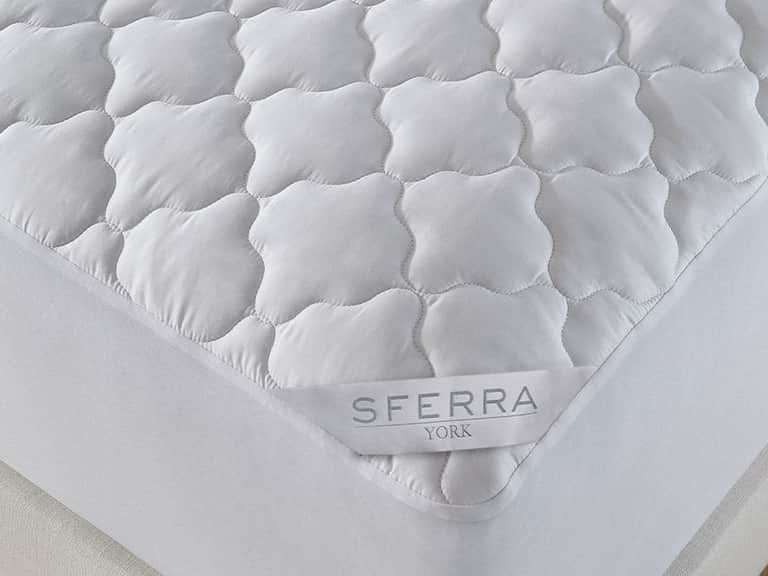
- York Mattress Pad from a reputable lineup — a premium 300TC cotton sateen shell with down-alternative fill that offers loft and comfort while protecting the mattress surface.
Case Studies: Three Key Individuals Across Time Periods
In the spirit of timeless storytelling, three figures from different eras illuminate how protection, care, and design have evolved—each offering a lens on how we think about sleep environments today.
- Queen Victoria (1837–1901) — A pioneer in domestic comfort, the Victorian era laid foundations for the idea that the home should be a sanctuary. While not a protector of mattresses in the modern sense, the era’s emphasis on cleanliness, order, and durable textiles foreshadowed the later adoption of protective covers and high-quality fabrics that could withstand frequent washing and household use.
- Florence Nightingale (1820–1910) — A nurse whose influence extended into hospital hygiene and clean sleeping environments. Nightingale’s emphasis on air quality, cleanliness, and infection control echoes today’s focus on allergen reduction, breathable materials, and moisture management in bedding.
- Frank Lloyd Wright (1867–1959) — A designer who championed harmony between form and function. Wright’s approach to integrated systems—an aspect of responsible design—parallels how a modern mattress protector should blend with a mattress, ensuring that protection is seamlessly embedded into the sleeping surface rather than an afterthought.
A Practical Six-Step Guide to Buying
- Assess your sleep environment: dust mites, allergies, kids, pets, and spill risk.
- Choose your protection level: waterproof barrier, allergen barrier, or a combination.
- Evaluate materials: organic cotton, wool, silk, or synthetic blends, focusing on breathability and washability.
- Check fit and depth: measure mattress depth, then select protector with appropriate pockets and elastic corners.
- Look for safety and care: GOTS, OEKO-TEX, GREENGUARD certifications, machine-washable designs, and care labels.
- Plan for longevity: consider warranties, care guidelines, and the ability to replace just the protector when needed.
Glossary: Terms You’ll See On Product Tags
Waterproof, breathable, TPU, barrier, encasement, fitted, deep pocket, jersey knit, quilted, gusseted, staple fiber, fill power, and wakeful heat transfer are all terms you may encounter. This glossary helps you decode product pages and compare apples to apples when evaluating one protector against another.